

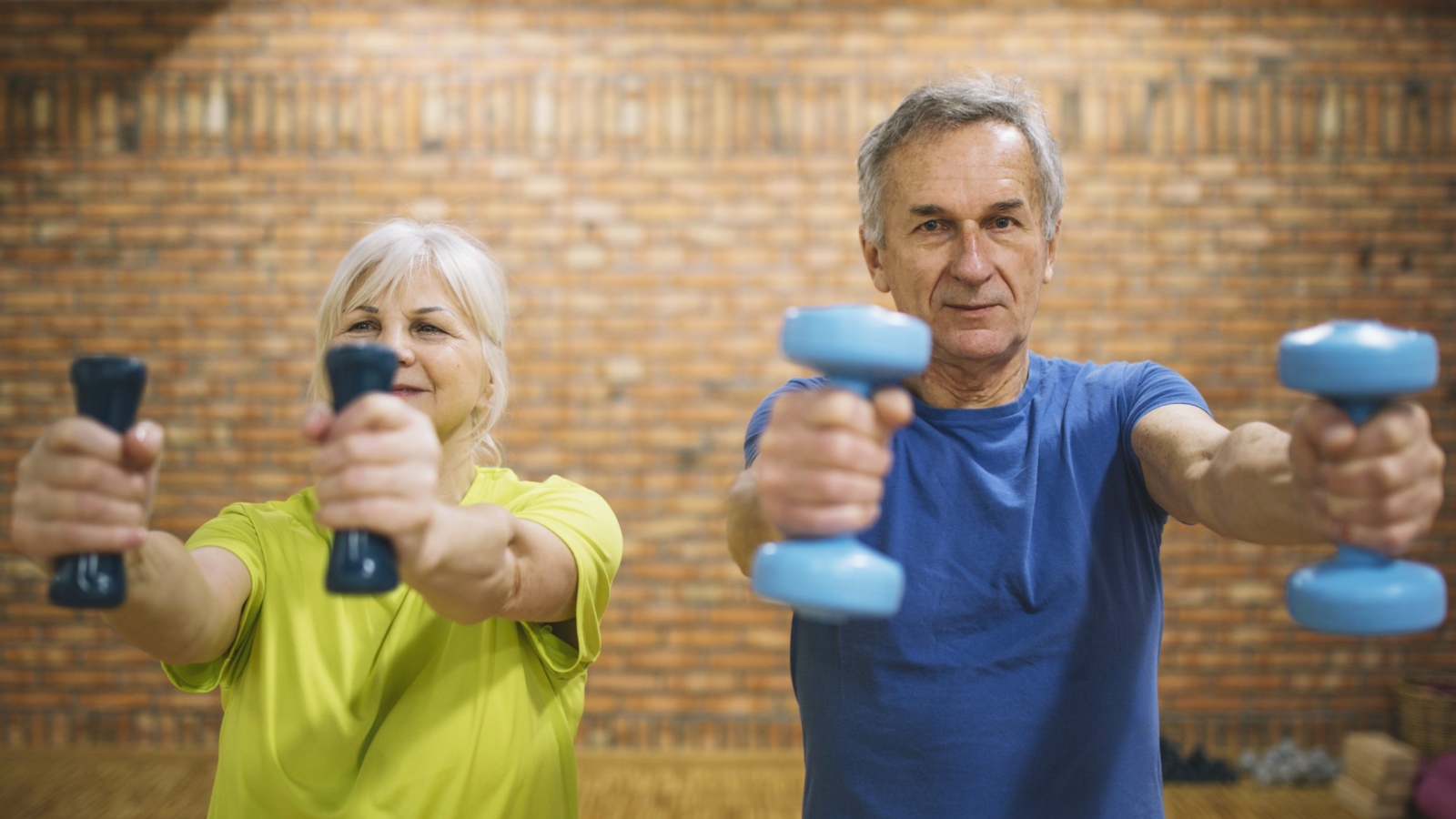
Age should never be a barrier to staying fit and healthy. In fact, with the right approach, fitness in later life can be enjoyable, sustainable, and deeply rewarding.
But as we age, our bodies change. Listening to these changes is just as important as movement itself. To make the most of your fitness journey, it’s essential to prioritise not only exercise but also rest, recovery, social engagement, and body awareness.
- Make Time for Rest and Recovery
As we age, recovery becomes even more important. Overworking your muscles without proper rest can lead to injury, burnout, or fatigue.
Here’s why rest is essential:
Allows muscles to heal and growReduces the risk of joint and tendon strainHelps maintain long-term motivationSupports better sleep and mental clarity
Sleep matters too—aim for 7–9 hours of quality sleep each night. It supports everything from physical recovery to cognitive health.
If you’re feeling sore or unusually tired, don’t push through. Swap your workout for gentle stretching, meditation, or a relaxing walk.
- Stay Social and Make Fitness Enjoyable
Fitness shouldn’t be a lonely chore. Exercising with others can be the key to staying consistent and making your routine something you look forward to.
Benefits of social fitness for older adults:
Boosts motivation and commitmentReduces loneliness and isolationImproves mental health and emotional wellbeingMakes fitness more fun and interactive
Join a local walking group or a fitness class designed for older adults. Invite a friend to stretch or walk with you—it’s one of the easiest ways to stay accountable and engaged.
- Tune In and Adjust as Needed
As we age, it’s normal for our bodies to respond differently to exercise than they did in earlier years. One of the most important lessons in fitness for older adults is learning to listen to your body.
If an exercise feels uncomfortable or painful:
Don’t push through pain; modify the movementUse support tools like chairs, bands, or wallsCheck in with your trainer or GP if unsure
Being adaptable keeps you safe and injury-free while still progressing. There’s no one-size-fits-all approach—what matters is moving consistently and safely, not intensity.
Progress Over Perfection
Your fitness routine should evolve as you do. Progress may be slower than it once was, but that doesn’t make it any less powerful.
Celebrate the wins:
Feeling more energisedGetting better sleepMaintaining independenceReducing stiffness or pain
Focus on sustainable movement and give yourself permission to rest. You’re building lifelong health, not chasing short-term results.